
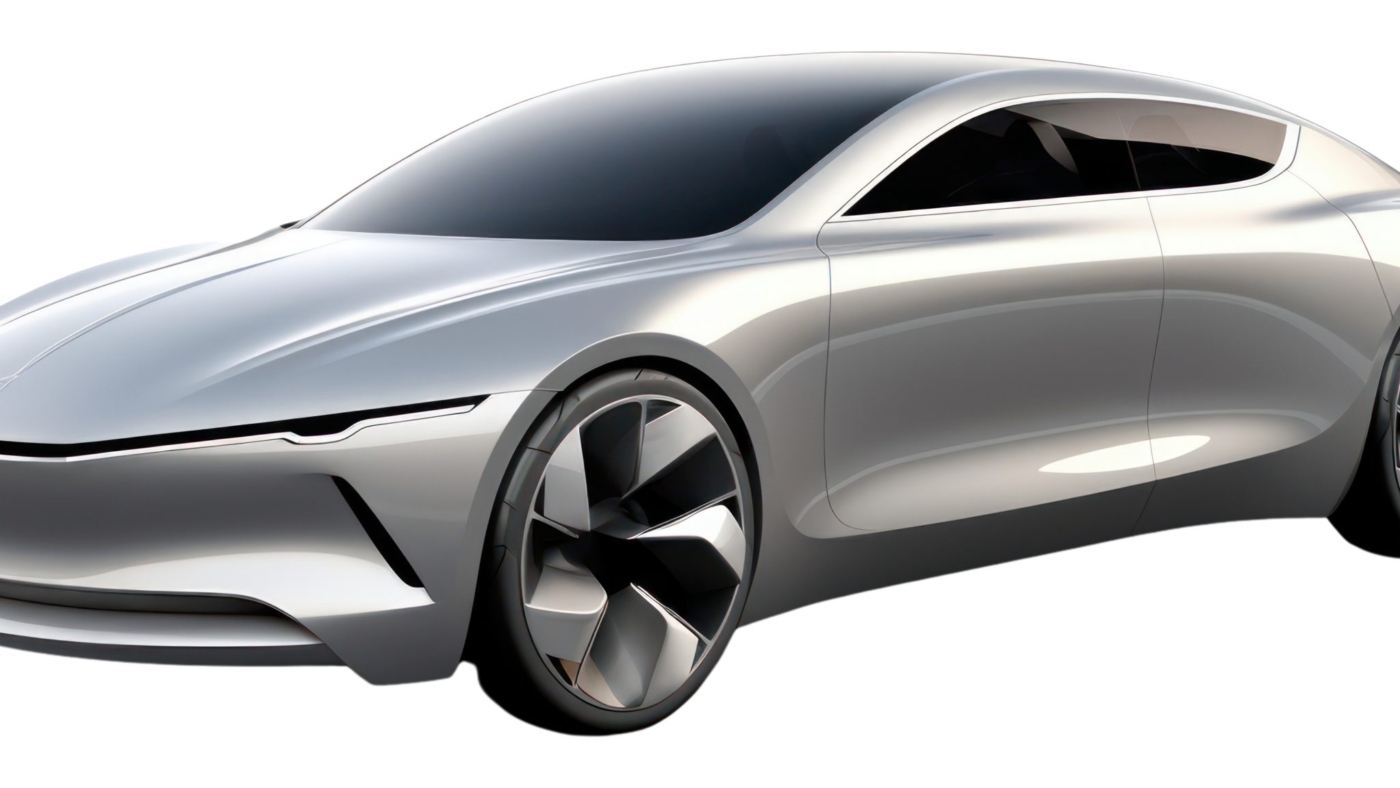
Hyundai has steadily built a reputation as one of the most innovative automakers in the electric vehicle space, with models like the Ioniq 5 and Ioniq 6 proving that the company can blend bold design with competitive performance. Now, Hyundai has pulled the wraps off its latest project—the Ioniq 3 concept, a compact SUV that signals the brand’s push further into the affordable EV market. Although the model has been confirmed as a potential opportunity for Australia, the implications for the United States are far more significant, as the Ioniq 3 could become Hyundai’s most accessible electric vehicle to date, targeting mainstream buyers who want practicality, style, and technology without the premium price tag.
The Ioniq 3 is being developed to share its platform and technology with the upcoming Kia EV3, underscoring Hyundai Motor Group’s strategy of leveraging shared architectures to reduce costs and speed up innovation. For the U.S. market, this approach makes sense, as affordability remains one of the biggest hurdles to widespread EV adoption. By designing the Ioniq 3 as a compact SUV—a body style that continues to dominate American driveways—Hyundai is aligning with consumer preferences while addressing the gap between entry-level EVs and larger, more expensive models like the Ioniq 5.
Positioned as a rival to the BYD Atto 3 and MG S5 in global markets, the Ioniq 3 highlights the increasing competition from Chinese manufacturers who have made affordability and efficiency their calling card. In the United States, this competition is less direct for now, but Hyundai clearly sees the need to prepare for a future where American consumers demand cost-effective EVs with modern features. If the Ioniq 3 arrives in the U.S., it could play a similar role to the Hyundai Kona Electric by serving as a gateway EV for families, commuters, and young professionals who want a compact crossover without stretching their budgets.
Design is expected to be a major selling point for the Ioniq 3. Hyundai’s recent EVs have earned acclaim for their futuristic styling, and the concept suggests a continuation of that trend in a smaller package. Clean lines, sharp LED lighting, and aerodynamic proportions give the Ioniq 3 a modern identity that avoids looking overly utilitarian. Inside, the cabin will likely echo Hyundai’s focus on digital-first design, with expansive screens, intuitive infotainment, and sustainable materials that appeal to environmentally conscious buyers. For U.S. consumers, interior space will be a key factor, and Hyundai is expected to prioritize a versatile layout that maximizes passenger comfort and cargo practicality within the compact footprint.
Performance specifications have not yet been finalized, but the Ioniq 3 is expected to feature Hyundai’s latest battery technology with competitive range figures for its class. While it may not chase the long-distance capabilities of larger EVs, a real-world range of around 200 to 250 miles would be sufficient for most American daily driving needs, especially with growing access to fast-charging infrastructure. Pair this with Hyundai’s commitment to offering rapid DC charging and over-the-air software updates, and the Ioniq 3 could emerge as one of the most convenient compact EVs available in the United States.
The strategic timing of the Ioniq 3 is also important. U.S. buyers are facing a market where EVs are often positioned as premium purchases, with higher price tags that deter budget-conscious households. Meanwhile, affordable gas-powered compact SUVs remain abundant, creating a barrier to electrification. By introducing the Ioniq 3, Hyundai would be directly addressing this challenge, offering a model that could compete with gasoline crossovers not just in technology, but in price. This could be a crucial step in accelerating EV adoption, particularly in suburban and urban areas where compact SUVs dominate.
In terms of rivals, the Ioniq 3 would not only face competition from the global names like BYD and MG but also from upcoming American and Japanese entries in the affordable EV segment. Chevrolet’s Equinox EV, Nissan’s Ariya, and Toyota’s future compact electric SUVs are all likely to occupy similar space in the market. However, Hyundai’s proven ability to combine design innovation, competitive pricing, and consumer-friendly features gives it an advantage in appealing to American buyers who are open to EVs but cautious about untested brands.
The Ioniq 3 also fits into Hyundai’s broader narrative of sustainability and global EV leadership. For the U.S. market, Hyundai has been expanding production capacity and investing heavily in domestic EV infrastructure, which could make the Ioniq 3 not only more accessible but also more appealing to buyers seeking vehicles eligible for incentives under the Inflation Reduction Act. This alignment between product strategy and policy environment could give Hyundai a decisive edge in turning the Ioniq 3 into a volume seller.
Final Thoughts
The Hyundai Ioniq 3 concept represents more than just another addition to the company’s EV lineup. It is a statement of intent to bring electrification to the masses, targeting affordability, practicality, and design in a segment that resonates strongly with American consumers. Compact SUVs are the heart of the U.S. market, and if Hyundai delivers the right balance of price, range, and style, the Ioniq 3 could become one of the most influential vehicles in the next wave of EV adoption. For buyers seeking a practical yet forward-looking choice, this compact EV may soon redefine what entry-level electrification looks like in the United States.